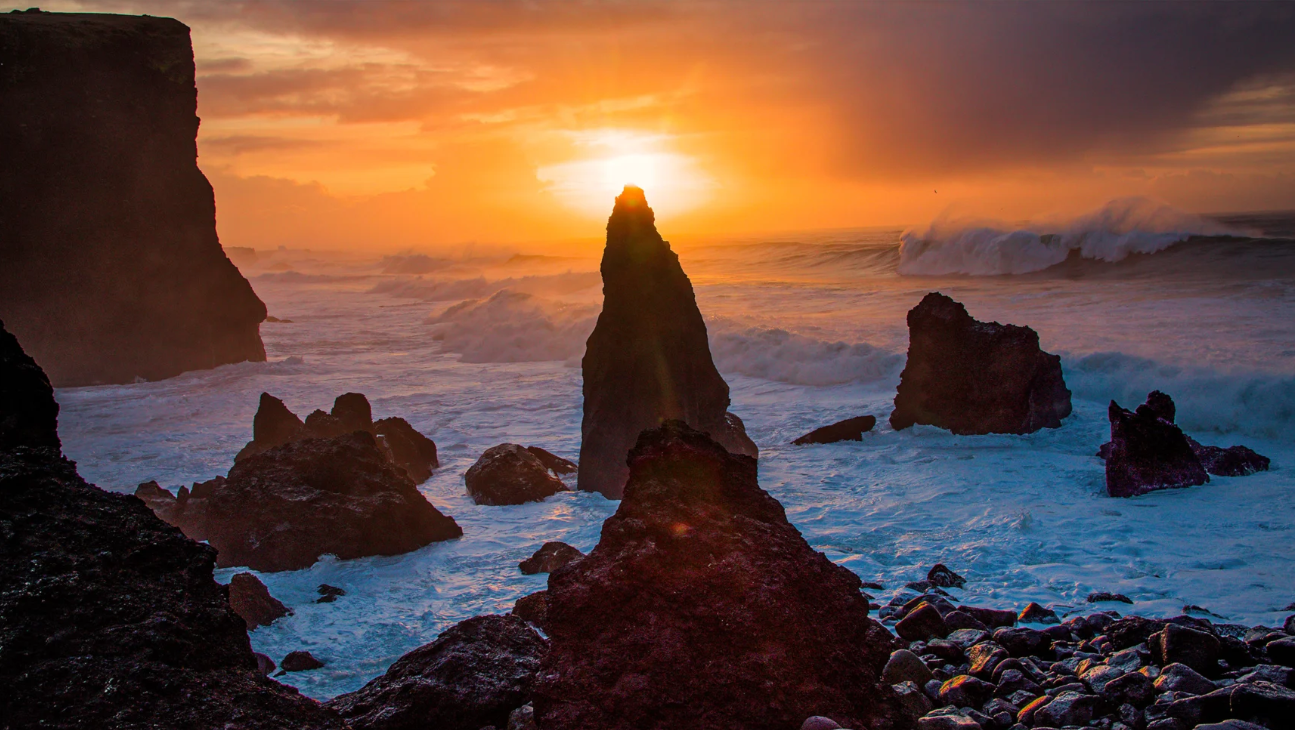
When Quiet Undersea Volcanoes Turn Disruptive (Quanta Magazine)
Earth’s largest volcanic system, hidden in mountain chains under the sea, has long been assumed to erupt only quietly. The shallow seafloor off Iceland tells another story.
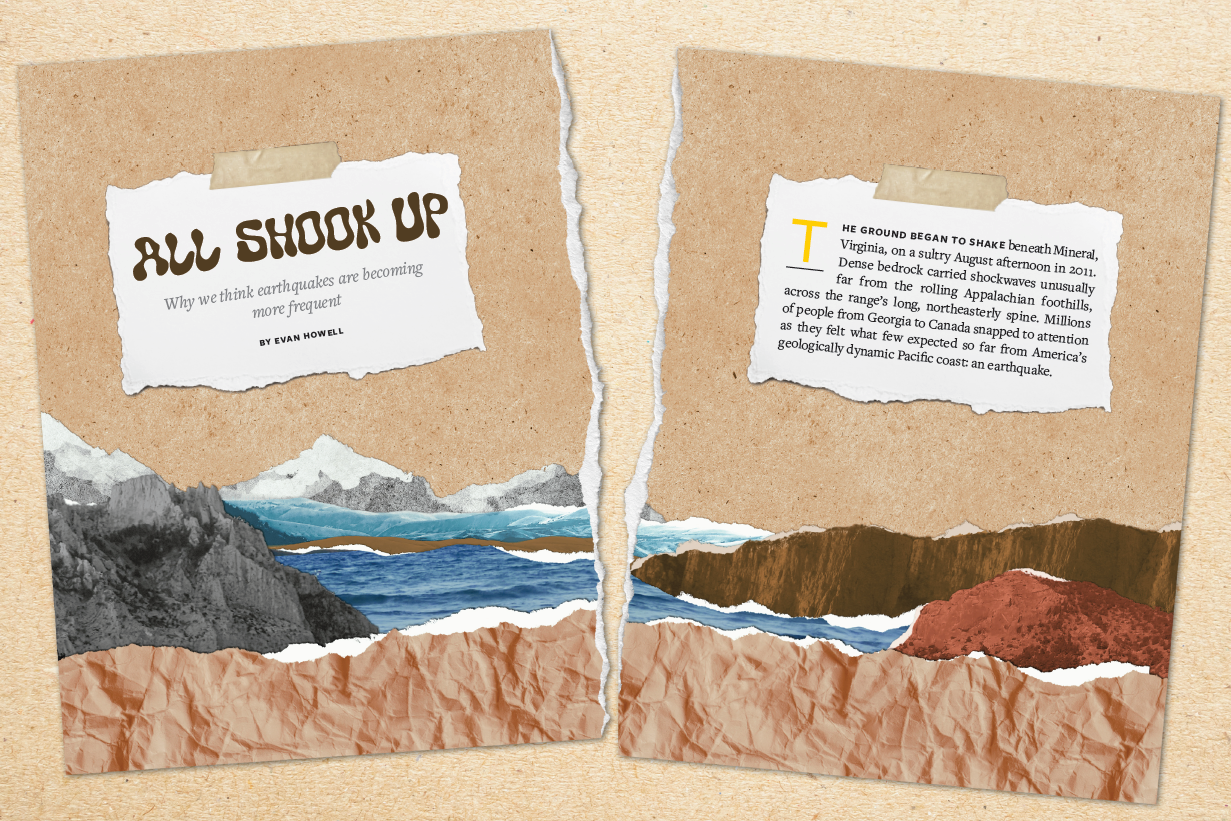
All Shook Up: The Earthquake Illusion (Nautilus Magazine)
Why we think earthquakes are becoming more frequent.
(This article appeared in the Spring 2026 “Precarious” print issue)
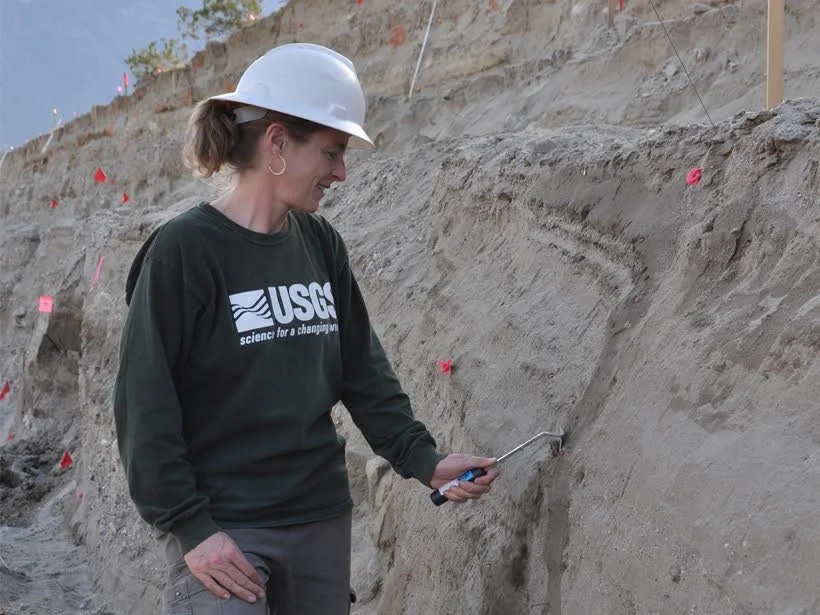
How to Predict an Earthquake (Nautilus Magazine)
In the trenches with a paleoseismologist (sidebar to “All Shook Up”).
(This article appeared in the Spring 2026 “Precarious” print issue)
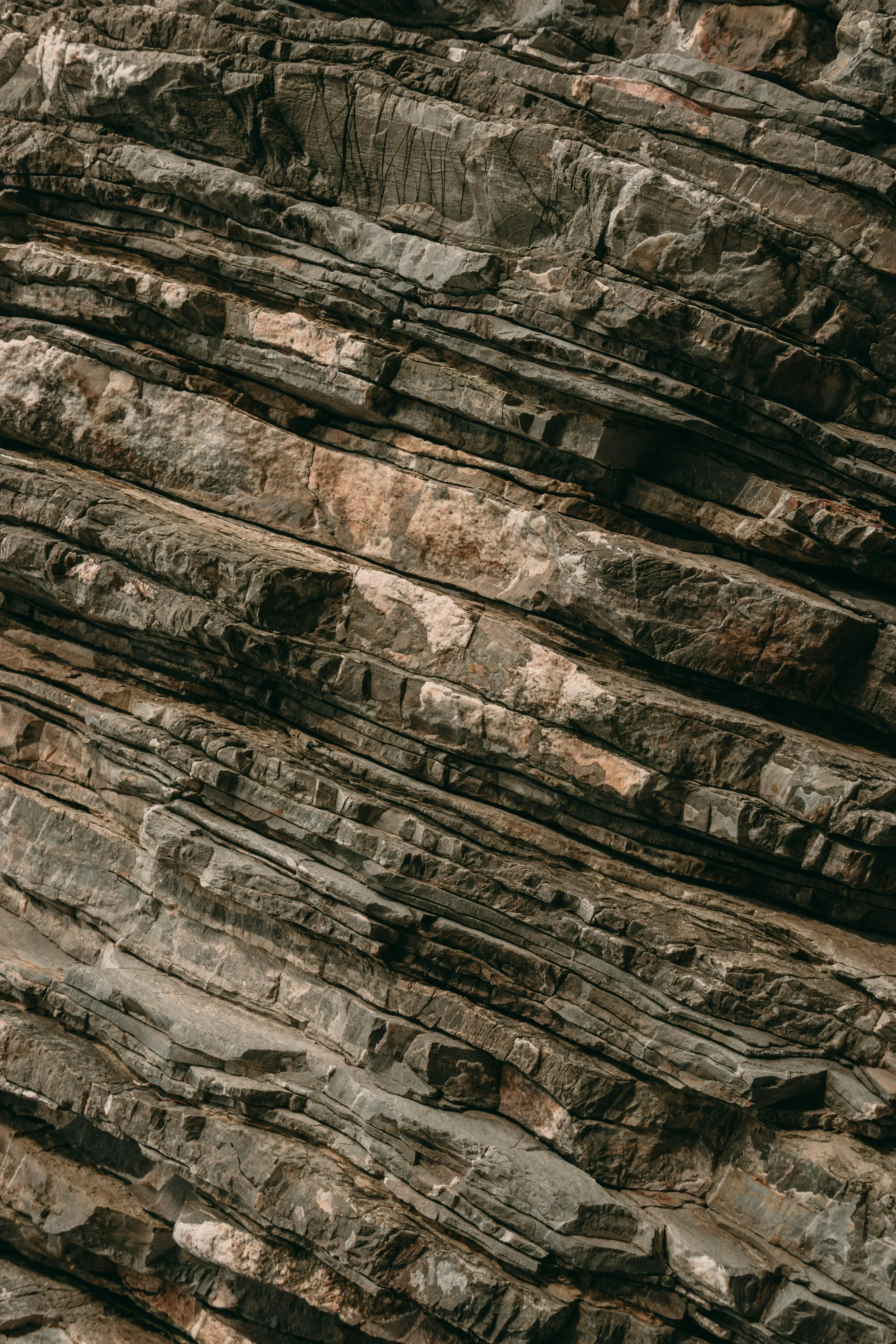
Become a backyard geologist—in one week (National Geographic)
A week-long introductory explainer detailing the rock categories and how to identify them.
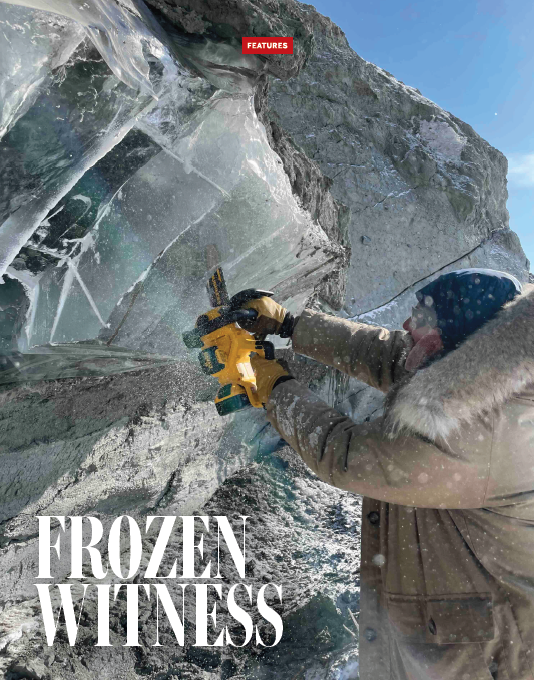
Frozen Witness (Science Magazine)
Ancient glacial ice melting out of Alaska’s eroding coastline may offer the Northern Hemisphere’s only glimpse into a pivotal chapter of Earth’s climatic history.
(A version of this article appeared in the March 12, 2026 print issue, Click here for PDF)
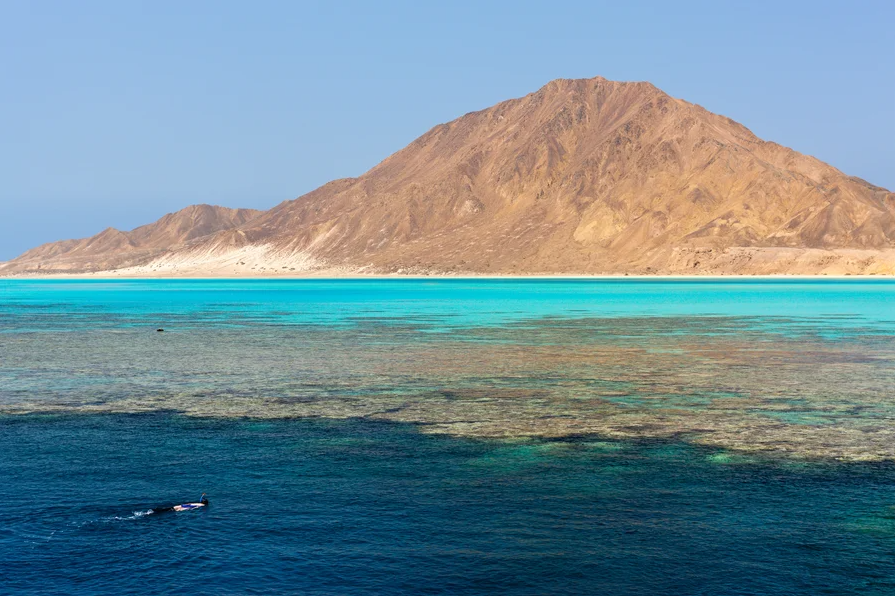
Why Bits of Continents Keep Turning Up in the Middle of Oceans (Scientific American)
It turns out that continental breakups are just as messy as human ones, with the events leaving fragments scattered far from home.
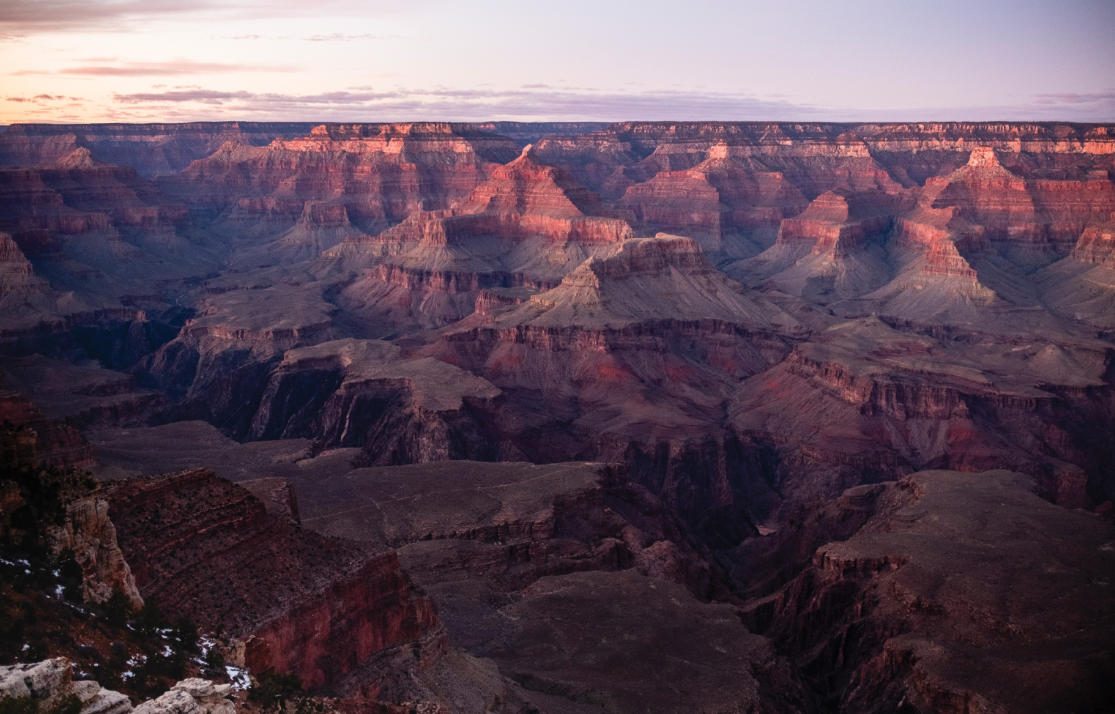
The Grand Canyon and Meteor Crater have a surprising link (High Country News)
Mysterious driftwood high in Grand Canyon caves hints at the legacy of Arizona’s huge impact crater.
(This article appeared in the January 2026 print issue)
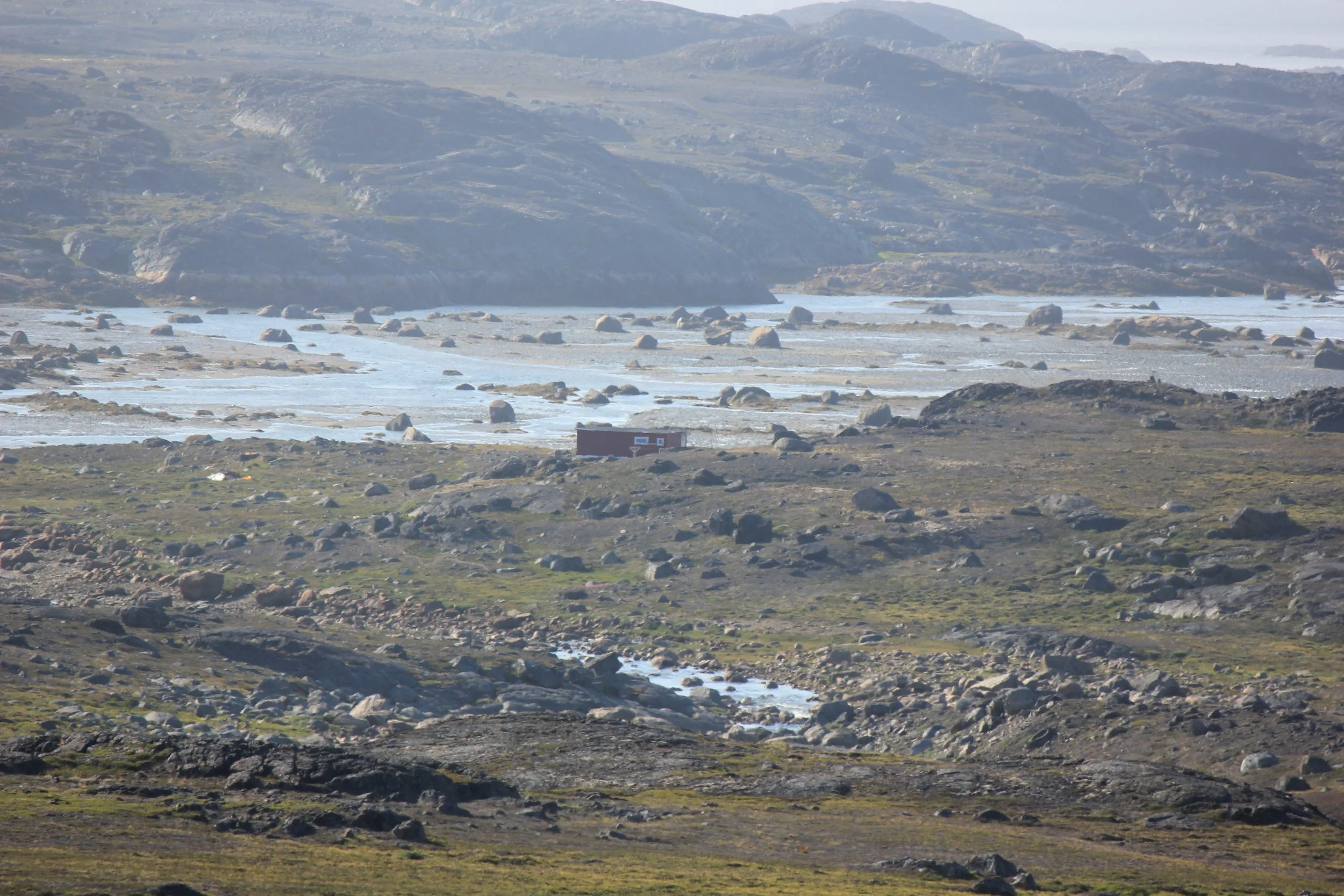
As Greenland loses ice, global sea levels will rise—and its own will fall (Science Magazine)
The island is rebounding from ice melt so fast that scientists are rethinking how Earth’s interior works.
(A version of this article appeared in the January 22, 2026 print issue, Click here for PDF)

The Hidden Landscape Holding Back the Sea (Nautilus Magazine)
The fate of our planet’s coasts rests on Antarctic bedrock.
(A version of this article appeared in the Fall 2025 “Earth” print issue)
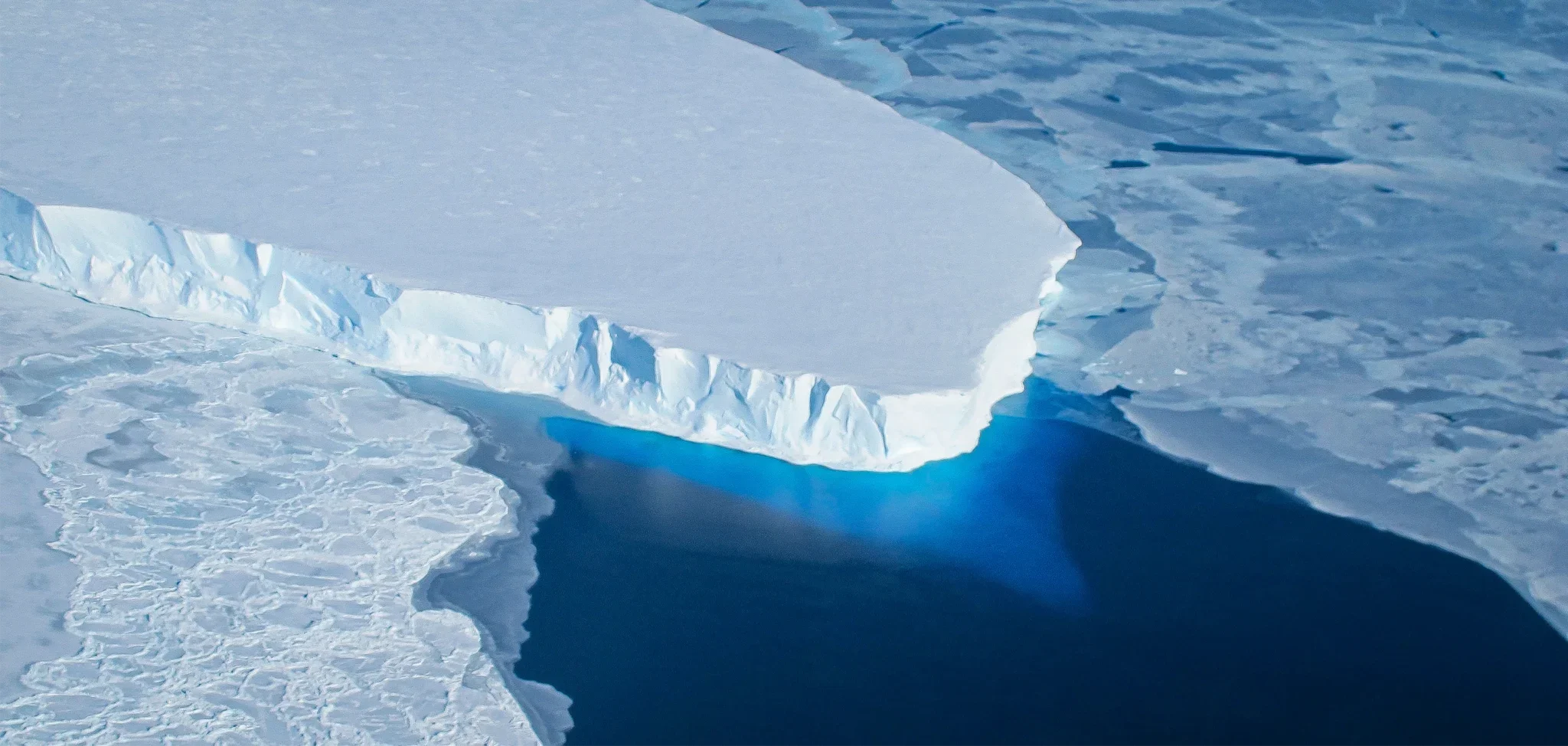
How Soon Will the Seas Rise? (Quanta Magazine, Republished in Wired)
The uniquely vulnerable West Antarctic Ice Sheet holds enough water to raise global sea levels by 5 meters. But when that will happen — and how fast — is anything but settled.
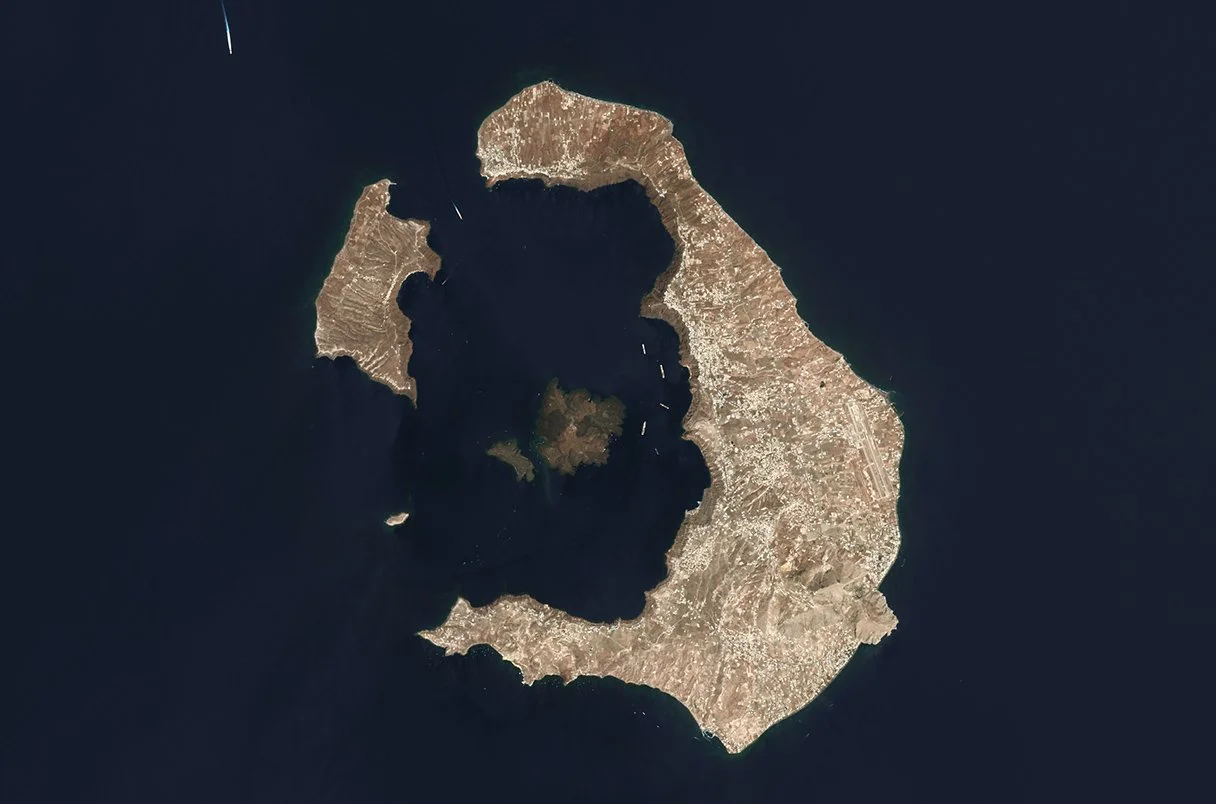
Thousands of quakes struck a major Greek volcano, mapping the plumbing beneath it (Science Magazine)
A “crisis” that rocked the island of Santorini may reveal a shared magma system between two volcanoes with explosive histories.

New look at 1755 quake, Europe’s largest ever, may foretell Atlantic ‘ring of fire’ (Science Magazine)
Analysis suggests Earth’s mantle is peeling from the crust in the eastern Atlantic, a possible sign of the ocean’s eventual closure.
(This article appeared in the August 28, 2025 print issue, Click here for PDF)

Tectonic Plates Can ‘Infect’ One Another with Earth-Shaking Subduction Zones (Scientific American)
Evidence from Earth’s deep past suggests dramatic subduction zones can spread like a contagion.
(This article appeared in the July 2025 print issue here)

La Niña is dead — what that means for this year's hurricanes and weather (Live Science)
Scientists thought La Niña was coming. It didn't — at least for now. What could that mean for this year's hurricane season, and how might long-term climate change affect El Niño and La Niña patterns?

Modern farming has carved away earth faster than during the ice age (Science Magazine)
Minnesota study adds to growing evidence of human-accelerated erosion, which could jeopardize agriculture.

The United States’ oldest known rock has existed for at least 3.6 billion years (Science News)
A rock formation in Michigan has beat out other contenders for the title — for now.
(This article appeared in the July 2025 print issue here)

A long-lost ice sheet could predict the future of New York City (Live Science)
Scientists are rethinking what we knew about a vanished ice sheet — and that could spell trouble for New York City.
Note: My web hosting service does not like the ridiculously long URL on this one. Here it is: https://www.livescience.com/planet-earth/climate-change/a-long-lost-antarctic-ice-sheet-could-predict-the-future-of-new-york-city-one-in-which-lower-manhattan-and-coney-island-are-perpetually-submerged

A minute-by-minute account of the Pompeii eruption, revealed in agonizing detail (Science Magazine)
Two new studies provide unprecedented insight into one of the ancient world’s most famous cataclysms.

How Climate Change Could Trigger Earthquakes (Scientific American)
Climate change may influence seismic activity as melting glaciers reduce pressure on quake-prone faults.

Nevada Has Loads of Lithium. Here’s Why. (Eos Magazine)
Nevada is becoming a major producer of lithium, thanks to topography, climate, and geologic serendipity.
(This article appeared in the January 2025 print issue, click here for PDF)